Showing posts with label United Kingdom. Show all posts

03 December 2024

NATIONAL ARCHIVES OF THE UNITED KINGDOM : AN IMPORTANT AND EXPANSIVE ARCHIVE BUT A BIT DIFFICULT TO NAVIGATE

NATIONAL ARCHIVES UNITED KINGDOM start page

OK I find this particular on-line catalog a bit difficult. The United States National Archives also was and in recent times was reworked to make it a tad bit easier.

So the first search I used was the word GENEALOGY. Here's where we go:

NATIONAL ARCHIVES UNITED KINGDOM WORD SEARCH GENEALOGY RESULTS
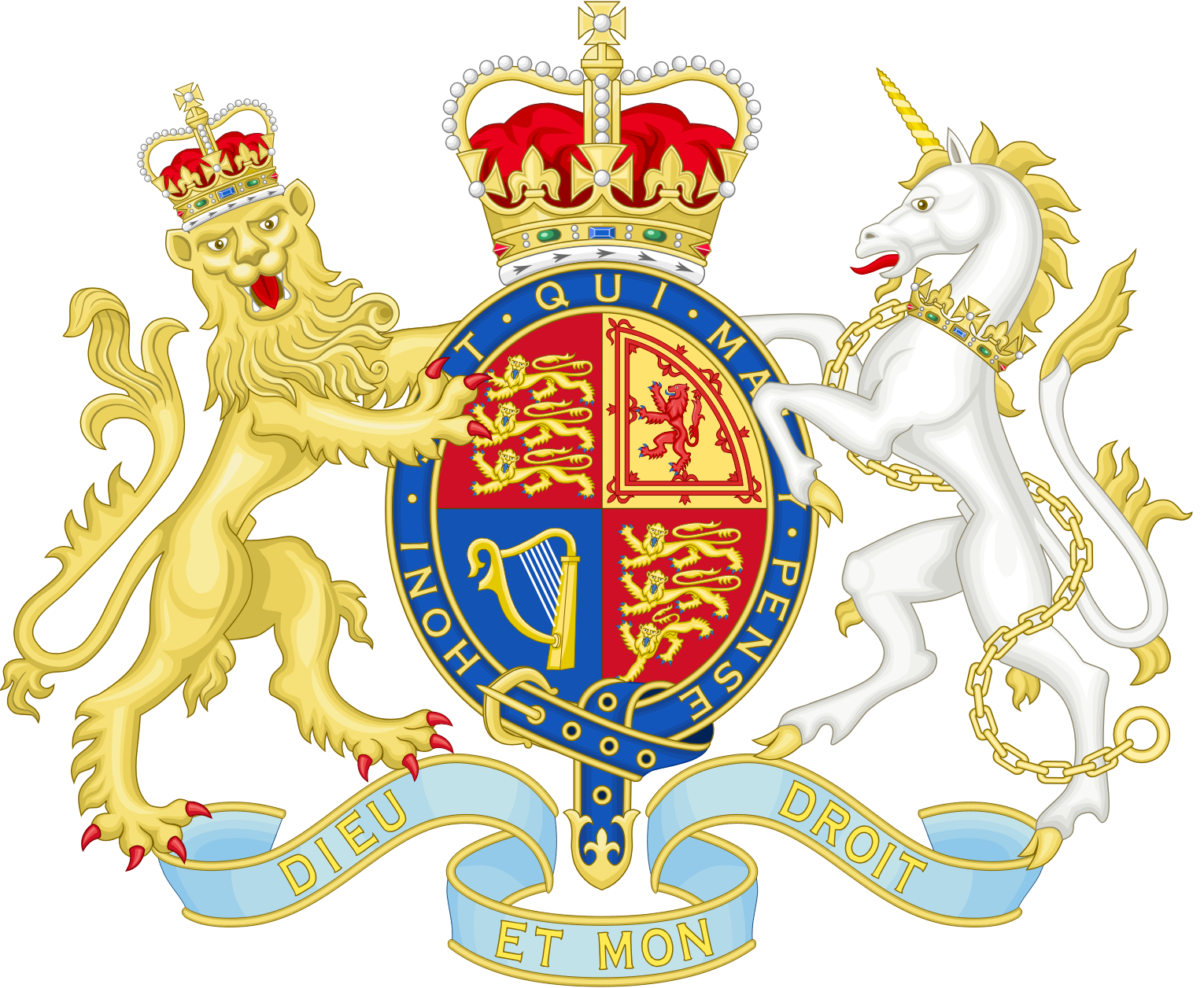
image from Wikipedia

Though some of the listings that come up still are not quite what we are looking for, we're getting there. I'm going to excerpt from the listings involving Catholics and why this is important to genealogy research:

Excerpt: 1 WHY USE THIS GUIDE?

Until 1534, England was a Catholic country. Then, after years of upheaval, the 1559 Act of Supremacy made the Protestant Church of England the established church. Following this act there was a significant increase in the number of state records created documenting Catholics’ status and activities, subject as they were to new laws, taxes and a wave of persecution. The primary focus of this guide is on those records, especially from the 16th and 17th centuries, and how to find them at The National Archives. They include:

records of penalties and punishments

details of arrests

letters from private citizens and spies sent to the authorities

reports on Catholics sent by ecclesiastical and civil authorities

baptism, marriage and burial registers

By the 18th century Catholics were no longer persecuted, but were still effectively barred from entering the professions, holding civil or military office, or inheriting land. Formal emancipation finally came in 1829 and state records relating to Catholics exists in smaller numbers from this date onwards.

Like all churches, Catholic churches kept their own records, though very few of these, in common with most local or parish church records, have found their way into The National Archives.

*** That's my italics, emphasizing that records for Catholics will still be found by finding the dioceses ...

I ENCOURAGE YOU TO GET INTO THIS CATALOG IF YOU ARE RESEARCHING ROOTS OF YOUR AMERICAN, CANADIAN, AUSTRALIAN, IRISH, WELSH, or SCOTTISH ANCESTORS!

C 2024 Ancestry Worship - Genealogy BlogSpot All Rights Reserved including Internet and International Rights

23 November 2024

WALES : ARCHIVAL RESEARCH and NATIONAL LIBRARY OF WALES / ARCHIFAU CYMRU and LLFRGELL GENEDLAETHOL

Pride and preservation of the language and history of Wales is important to the archives and library in that small country which is also one of the United Kingdom. However, currently if something you're interested is not digitalized, you cannot get an archivist to find it for you.  The emphasis is on the digitalization.

image from Wikipedia

You'll note that the holdings are not focused on Genealogy though your ancestors may be in the collection.

For Genealogy, start with 

Includes maps, civil registration, census records....


Excerpt: The Library is the main repository for family history research in Wales holding a vast number of records useful to the family historian - census returns, probate records, nonconformist records and tithe maps, to name but a few, will help at some point during research.

... The Archive collections hold substantial information relating to many Welsh gentry families and their estates and to individuals and families that have played a significant part in the life of Wales.

These may also be useful to you.

07 July 2018

WHEN DID COUSINS STOP MARRYING IN YOUR FAMILY?


NEWSCIENTIST : STUDY ON COUSIN MARRIAGE


EXCERPT:  Joanna Kaplanis at the Wellcome Trust Sanger Institute  in Cambridge, UK, and her colleagues, collected 86 million publicly-available profiles from Geni.com.  Users on this crowd sourcing website create family trees, which are then merged with others when matches occur.

*****

Basically, in the 19th century people started living further away from each other but cousin marriage persisted for about another 50 years.

Another article based on this same study by another publication, which I'm not linking to due to the ads, said that the tree goes back 11 generations, the participants (willing?) were 85% North American or European, and BEFORE 1750 the spouse was found within 6 miles.  (So read those census records around town!)  After 1950 the geographically desirable were within 60 miles.  (Makes sense to me.  You are now willing to drive an hour each way to date!)  Before 1850 it was socially acceptable and common.  1800 to 1850 people traveled further but it was still OK.  After that it became less acceptable to marry your cousin.  But you'll have to read the study to know if they mean first cousin or fourth!

11 May 2016

PRINCE WILLIAM JUST VISITED INDIA - HE CARRIES RARE MATERNAL DNA FROM INDIA

EXCERPT:
The genetic link with India is believed to originate from Williams’s great-great-great-great-great grandmother Eliza Kewark.

Although often described as Armenian, DNA analysis has revealed that she was at least half-Indian and is known to have lived in the country’s western region.

Scottish scientists established the link after discovering that Eliza’s descendants carried a rare strand of DNA - known as mitochondrial DNA - which can only be passed on by a mother.

Only people from the Indian subcontinent have been found to carry the particular strand of DNA. It has been recorded in 14 other people - all Indian, apart from one Nepalese native.

The DNA is thought to have been passed down to Prince William and his brother Harry, as the scientist behind the research described the genetic link as ‘unassailable’.

DAILY MAIL UK - CLEAR GENETIC LINE MOTHER's SIDE - PRINCE WILLIAM INDIA  by Mario Ledwith