Showing posts with label Ireland. Show all posts

03 December 2024

NATIONAL ARCHIVES OF THE UNITED KINGDOM : AN IMPORTANT AND EXPANSIVE ARCHIVE BUT A BIT DIFFICULT TO NAVIGATE

NATIONAL ARCHIVES UNITED KINGDOM start page

OK I find this particular on-line catalog a bit difficult. The United States National Archives also was and in recent times was reworked to make it a tad bit easier.

So the first search I used was the word GENEALOGY. Here's where we go:

NATIONAL ARCHIVES UNITED KINGDOM WORD SEARCH GENEALOGY RESULTS
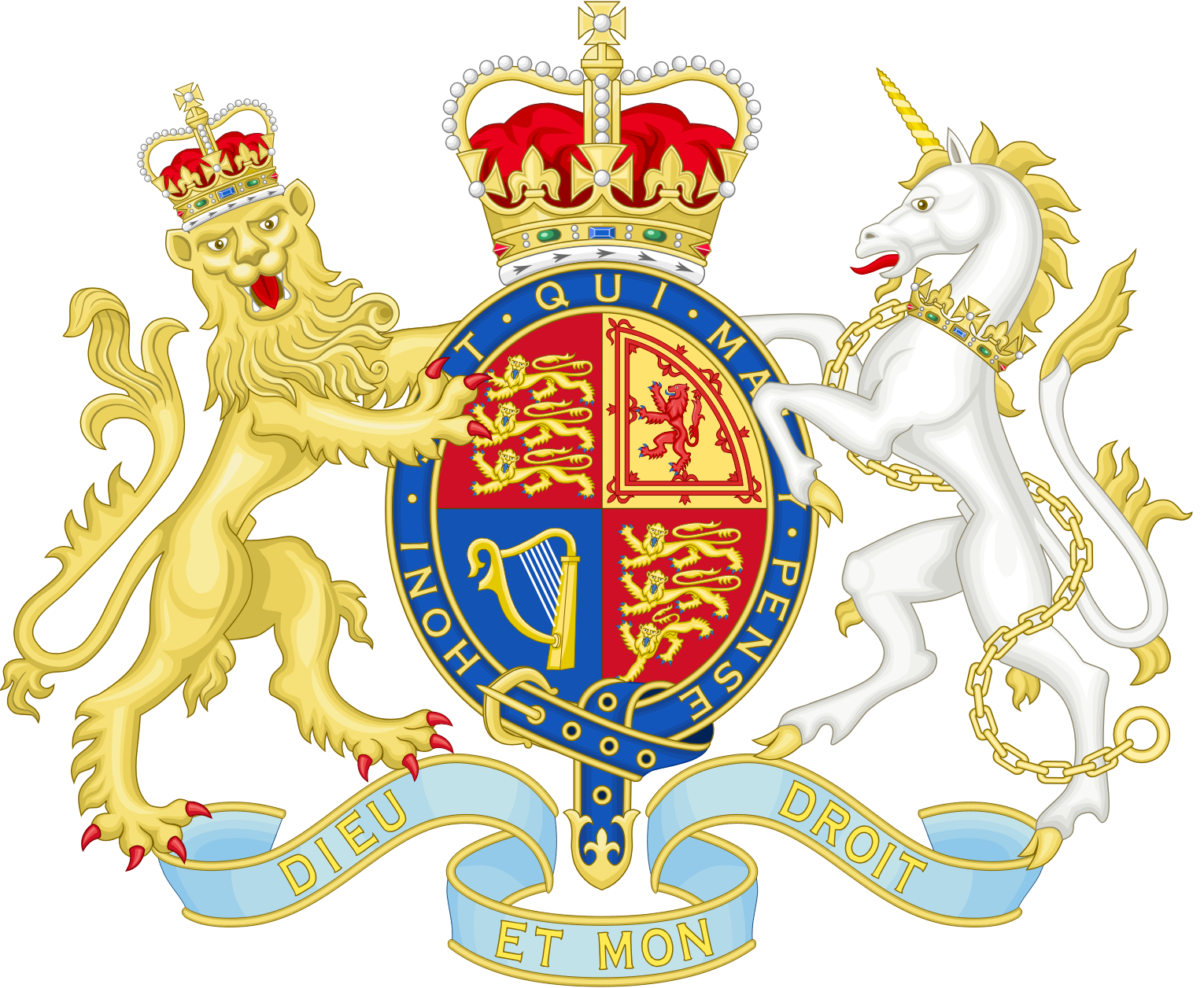
image from Wikipedia

Though some of the listings that come up still are not quite what we are looking for, we're getting there. I'm going to excerpt from the listings involving Catholics and why this is important to genealogy research:

Excerpt: 1 WHY USE THIS GUIDE?

Until 1534, England was a Catholic country. Then, after years of upheaval, the 1559 Act of Supremacy made the Protestant Church of England the established church. Following this act there was a significant increase in the number of state records created documenting Catholics’ status and activities, subject as they were to new laws, taxes and a wave of persecution. The primary focus of this guide is on those records, especially from the 16th and 17th centuries, and how to find them at The National Archives. They include:

records of penalties and punishments

details of arrests

letters from private citizens and spies sent to the authorities

reports on Catholics sent by ecclesiastical and civil authorities

baptism, marriage and burial registers

By the 18th century Catholics were no longer persecuted, but were still effectively barred from entering the professions, holding civil or military office, or inheriting land. Formal emancipation finally came in 1829 and state records relating to Catholics exists in smaller numbers from this date onwards.

Like all churches, Catholic churches kept their own records, though very few of these, in common with most local or parish church records, have found their way into The National Archives.

*** That's my italics, emphasizing that records for Catholics will still be found by finding the dioceses ...

I ENCOURAGE YOU TO GET INTO THIS CATALOG IF YOU ARE RESEARCHING ROOTS OF YOUR AMERICAN, CANADIAN, AUSTRALIAN, IRISH, WELSH, or SCOTTISH ANCESTORS!

C 2024 Ancestry Worship - Genealogy BlogSpot All Rights Reserved including Internet and International Rights

17 August 2022

US IMMIGRATION ACT OF 1924 : MAIDEN VOYAGES

Note : This excerpt is about what was happening after the US Immigration Act of 1924 that was more restrictive than that of 1921. The government felt that America was overloading with the unskilled laborers that had come in previous decades.


 EXCERPT:  The U.S. Immigration Act of 1924 was even more restrictive than that of 1921.  The total number of European immigrants now allowed in annually was slashed to 161,5000 in any one year.  By comparison, in 1913. 1.141 million European immigrants had been admitted to the U.S.  In addition, visas were now required, and those were issued by US Consular offices in the countries of origin.  Any shipping line bringing in an immigrant without a visa, or surplus to the annual quota allowed to that country, could face a punitive $1000 penalty.  Immigration figures plummeted though some nations were still favored over others: British and Irish-born immigrants were allowed a generous proportion of the annual European allocation, and anglophones with valuable skills, such as British-born servants or nurses, were actively encouraged to emigrate to the North American continent.  (page 76)

Would-be immigrants could be deported if they showed signs of physical  or mental illness, but less well known is the discrimination against the illiterate.  Adults arriving at Ellis Island were required to read out loud forty words of a printed language - any language -; a wide variety of texts were supplied - to prove they were literate. This discrimination policy often split up families, and it particularly effected women from remote and traditional communities in eastern Europe, who were less likely to have been taught to read  (page 78)


17 March 2020

IRELAND - IRISH GENEALOGY OFFICIAL SITE : EXPLORE YOUR WEE BIT OF IRISH

IRISH GENEALOGY : IRELAND : DEPARTMENT OF GALLIC CULTURE  (Culture, Heritage, and the Gaeltacht)


This site is being added to slowly and the focus currently is to adding to already existing records on the site such as Births, Marriages, and Deaths from the General Register (Civil records) office.  It also include church parish records. Some census.